
Have you ever felt that your mind seems busiest when everything around you is finally quiet? When you finish your morning walk, sit down with a cup of tea for relaxation, but your mind starts thinking one instance followed by another, like starting to think about health, then instantly thinking about finance, about children’s future, or even mistakes you made 25 years ago. Before you know it, one thought leads to another, and your peaceful morning turns into a session of endless worry.
If this sounds familiar, you are not alone. Overthinking after 50 affects many people, even those who appear on the outside. The truth is, this stage of life brings new questions and uncertainties. While some thinking helps us make better decisions, too much thinking steals our peace.
The good news is that overthinking after 50 is often fuelled by small everyday habits; you can replace them with healthier ones and regain control of your mind. Let’s look at seven common habits that quietly feed overthinking after 50 and, more importantly, how to stop them.

Table of Contents
1. Starting the day with worry instead of purpose
How you began morning often decides how the rest of your day will be. Many people wake up and immediately start thinking about everything that could go wrong. They worry about their blood pressure, their bank balance, family issues, or unfinished tasks. These habits train the brain to expect problems before the day has even begun. Over time, it becomes one of the biggest reasons for overthinking after 50.
How to stop it
Instead of reaching for your worries, create a simple morning routine. Drink water, take a short walk, stretch, pray or meditate, and write down one important goal for the day. Giving your mind a clear direction that leaves less space for unnecessary thoughts.
2. Replaying yesterday again and again
Do you often replay old conversations in your mind? Maybe you wonder whether you should have said something differently. Perhaps you regret a career decision or feel guilty about a mistake you made a year ago.
Reflection is healthy, but replaying the same memories serves no purpose; the past can’t be edited, no matter how many times we revisit it. These habits quietly strengthen overthinking after 50 because your brain keeps searching for answers that no longer exist.
How to stop it
Ask yourself one simple question: “Can I change it today?” If the answer is no, then thank yourself and move forward. Your energy is far more valuable when invested in today’s choices rather than yesterday’s regrets.
3. Imagining the worst it happens
A slight headache can become a serious illness. A delayed phone call from a daughter or son becomes a sign that something is wrong with them. A small financial problem turns into fear of losing everything.
This type of thinking makes the habit of expecting the worst surprisingly common. The mind believes it is protecting you, but in reality, it is creating stress that may never be necessary. When this becomes a daily pattern. Overthinking after 50 feels impossible to escape.
How to stop it
Whenever a negative thought appears, challenge it with facts. Instead of asking,” What if the worst happens?” Ask yourself, “What evidence do I have that this is true?” Most of the time, you will feel that your fears are much larger than reality
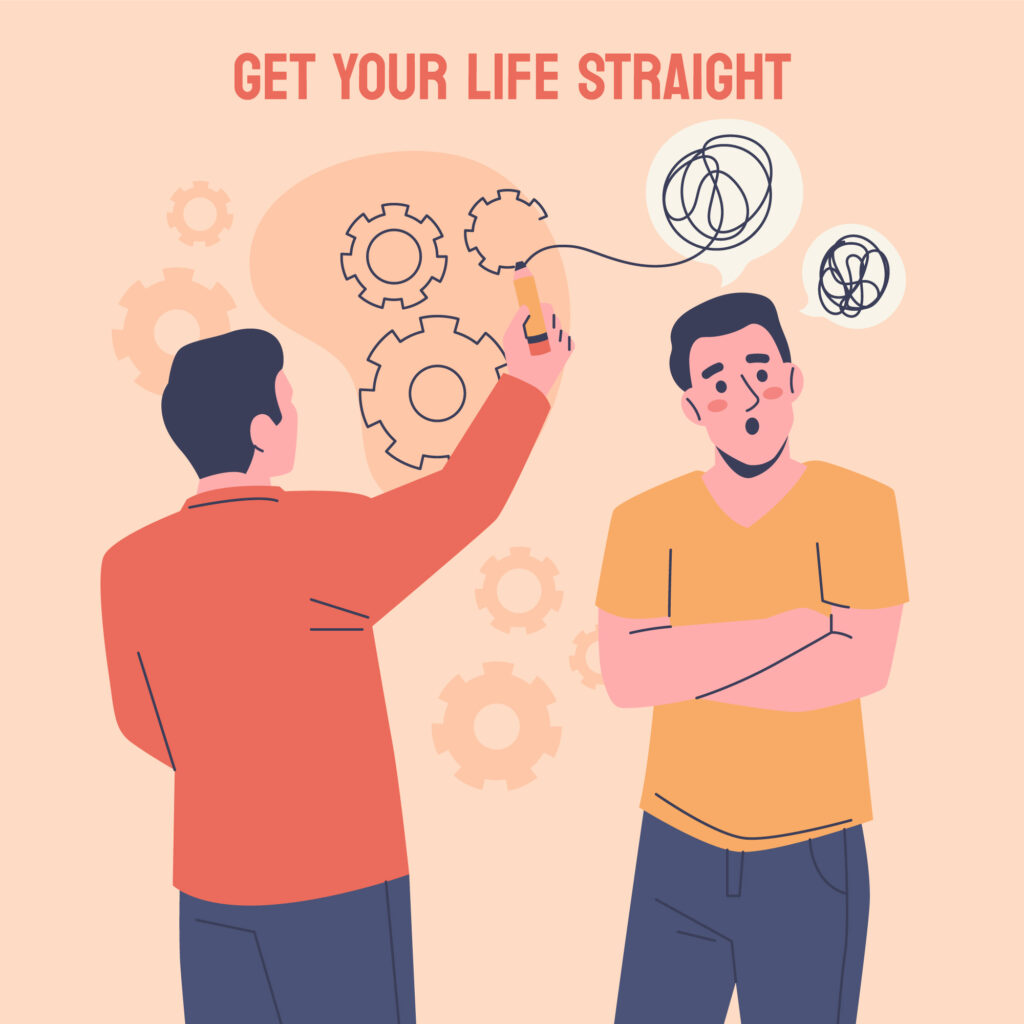
4. Spending too much time alone with your thoughts
Quiet time is valuable, but complete isolation often gives unnecessary thoughts room to grow. Many people over 50 experience major life changes. Children move away, and the social circle becomes smaller. Without meaningful interaction, the mind https://shouldbeyourself.com/mindset-shift-after-50/often creates problems that don’t exist. This is another hidden reason behind overthinking after 50.
How to stop it
Stay connected with people who bring positive energy into your life. Call a friend, join a local group, volunteer, or simply spend time talking with neighbours or family. Even one genuine conversation can interrupt hours of unnecessary thinking.
5. Constantly comparing your life with others
Comparison has become easier than ever. A few minutes on social media can make it seem as though everyone else is happier, healthier, wealthier, and enjoying a happier life. But remember, people usually share their highlights, not their struggles.
When you compare your everyday life with someone else’s best moments, dissatisfaction grows. Before long, you begin asking yourself, “Why didn’t my life turn out like that?” These thoughts quietly fuel overthinking after 50 and make it difficult to appreciate your own journey.
How to stop it
Instead of comparing yourself with others, compare yourself with the person you were a year ago. Your life’s value isn’t measured by someone else’s timeline.
6. Trying to solve every problem at once
Life after 50 often brings several responsibilities together. You may be thinking about retirement, about children’s future, about health, or household expenses all at the same time. Trying to solve all problems in one sitting overwhelms your mind. The result is overthinking after 50, not productive in the desired way.
How to stop it
Write every concern on paper. Then divide them into three groups: 1. Things I can do today, 2. things I plan for later, 3. Things that are beyond my control. This simple exercise reduces mental disorder and gives your brain permission to focus on one task at a time.
7. Ignoring your mental well-being
Many people take care of their physical health but forget that the mind also needs daily care. A restless mind does not become peaceful. Just as your body benefits from regular walking or yoga, your mind benefits from rest, gratitude, and positive thinking. Ignoring your emotional health allows overthinking after 50 to become a daily habit.
How to stop it
Spend just 10-15 minutes each day doing something that calms your mind, like reading an inspiring book, practising deep breathing, writing in a journal, praying, meditating, or simply sitting quietly in nature. These small habits seem simple, but they have a powerful effect over time.
A simple daily routine to reduce overthinking
You have read this article, that mean you are serious about overcoming overthinking after 50. Try following this in your daily routine:
- Begin your day with water, light exercise, and a few minutes of silence.
- Limit negative news and limit social media scrolling.
- Stay physically active with a daily walk or yoga.
- Talk to someone you trust instead of keeping every worry inside.
- End your day by writing down three things you’re grateful for.
None of these habits takes much time, but together they help train your mind to focus on the present instead of imaginary problems.

Final Thoughts
The greatest challenge with overthinking after 50 is that it often disguises itself as responsibilities. You may believe that worrying more means caring more. In reality, excessive thinking rarely solves problems- it only steals today’s peace. Your age is not a reason to live with constant worry. In fact, the wisdom you’ve gained over the year gives you a unique advantage.
You already know that life is unpredictable, that every problem eventually passes. And that peace is far more valuable than perfection. Ask yourself, “Is this thought helping me, or is it making me anxious?” That one question interrupts the cycle of overthinking after 50 and brings your attention back to what truly matters.
Take one small step today and replace your unhealthy habits with a healthier one. You have already overcome many challenges in your life. You can overcome overthinking after 50, too. I will be very happy if any suggestions helped you to overcome any problem in your life. Please share your experience of your feeling with me. I will be grateful to you.
Pingback: Why Do People Overthink After 50? 7 Common Reasons and Practical Ways to Stop - shouldbeyourself.com
Pingback: Finding the signs of overthinking pave the way for progress
Pingback: How to Stop Overthinking About Future After 50: 9 Practical Ways to Find Peace - shouldbeyourself.com
Pingback: How to Stop Negative Thinking After 50: 8 Simple Habits That Really Help - shouldbeyourself.com
Pingback: How To Stop Overthinking at Night: 9 Simple Ways That Helped Me Sleep Peacefully After 50 - shouldbeyourself.com
Pingback: How to Stop Overthinking every Little Thing After 50: 9 Powerful Ways to Find Peace and Enjoy Life - shouldbeyourself.com
Pingback: How to Rebuild Your Self-worth After 50: 9 Powerful ways to feel Valuable Again - shouldbeyourself.com