
Introduction
An emergency fund after 50 gives us the power to handle the odds and gives satisfaction to our minds. After 50, our family responsibilities increase, such as providing higher education for our child and their marriage. My wife’s and my medical expenses increase, and my emergency fund after 50 behave like a reliable friend of mine, who extends his hand in uncertainty. So, after 50, it is necessary to create an emergency fund.
In this blog, I will explain how much emergency fund you need after 50 in India and how important it is. How can we manage this without hampering our lifestyle?

Table of Contents
What is an Emergency Fund after 50?
It is a financial tool to manage unexpected expenses like medical expenses, job loss or reduced income, vehicle or home repairs, family emergencies, rising inflation, unexpected price hikes or sudden natural calamities. For people above 50, this emergency fund is so important to handle these situations. As time goes by, our responsibilities to our family increase. To counter this, we save money to boost our confidence. An emergency can come to anybody at any time, so it is best to be ready for it. Saving for an emergency gives extra power to tackle it
Why is an Emergency Fund Important After 50 in India?
If you have health insurance, this will help you in tests, medicines and post-hospitalisation care. Now it is becoming very high. After 50, your health becomes unpredictable, and you face reduced income; Dependent responsibilities increase, like a child’s wedding and their higher education or supporting elderly parents requires extra money. Sometimes professionals are forced to take early retirement, and as everyone knows, opportunities after 50 are reduced. In this situation, your emergency fund plays a big role in tackling it.

How Much Does This Fund Need After 50 in India
The need for this fund depends on your expenses, medical condition, and last but not least, whether your financial condition becomes unstable. In this condition, a sufficient amount of savings for an emergency fund becomes very important to tackle it. Investing in liquid form gives a choice to feel free when it is required.
General Rule: Put aside at least 6-12 months’ monthly expenses in liquid form.
For example, if your monthly expenses are 60000per month, your aim should be 60000 * 12=720000. If you have a medical issue, add the expected medical cost to it. Suppose your expected medical cost is around 200000, that means you need a fund of around 720000+200000=920000/-
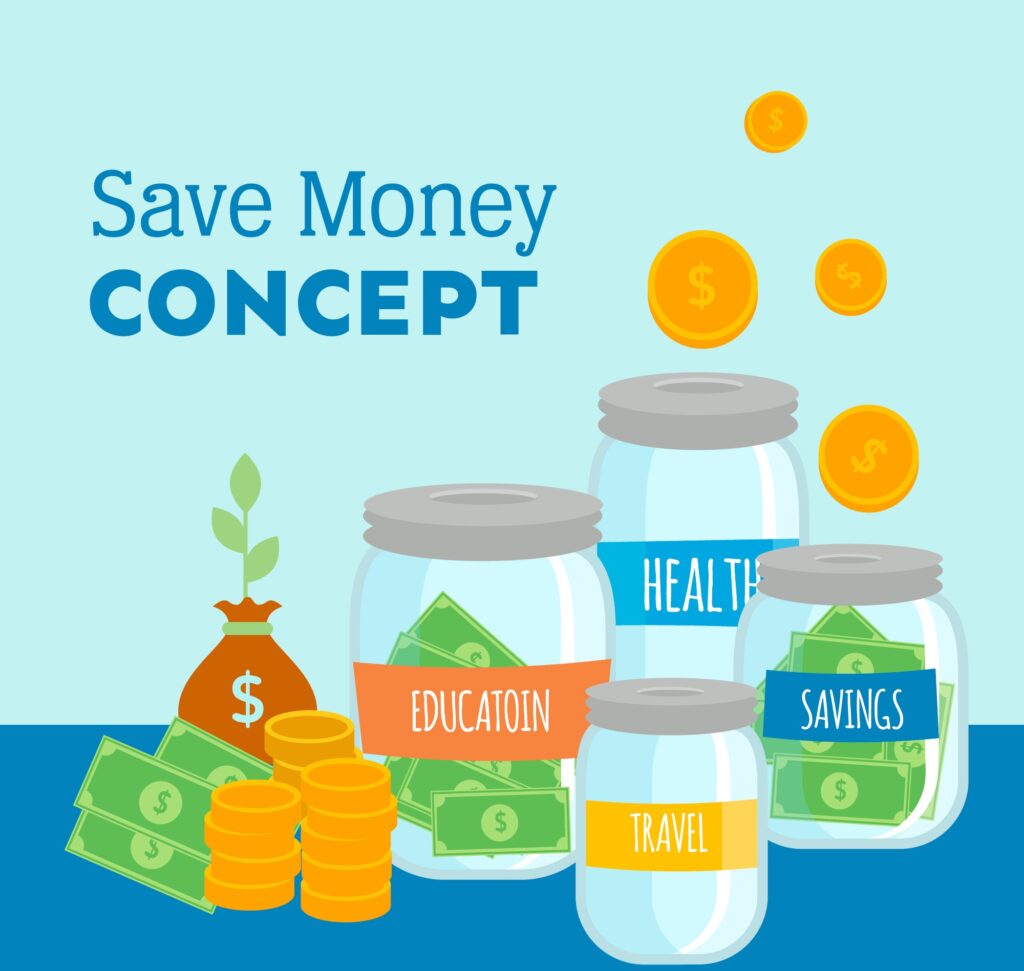
Where Should This Fund Be Kept in India
You should always keep this fund in liquid form. Either you should keep in a savings account or in an FD, which gives better interest or in a liquid mutual fund, which is flexible and gives better returns than an FD. Avoid keeping this fund in stocks, real estate or risky investments. Saving the amount in liquid form gives independent use of it when it is required. Keeping an emergency fund after 50 in a reliable and best-returning policy is very necessary.

Tips to Build and Manage This Fund After 50
- Start Immediately – Even if you don’t have savings, begin with small amounts.
- Automate Savings – Set up an auto-transfer to a separate emergency fund account.
- Avoid Using for Non-Emergencies – Only use during genuine crises.
- Review Every Year – Increase the fund as expenses grow.
- Combine with Insurance – Health and life insurance reduce financial burden.
FAQ
Should I Keep This Money in Cash
Keep a small portion of this fund in cash, around 20,000/- to 50,000/- in cash for any immediate needs, and the rest of the amount should be kept in the bank or in a liquid form.
How Often Should I Upgrade My Emergency Fund?
From time to time, you should upgrade it, not frequently, at least once a year. Monitor your monthly expenses carefully
Is Health Insurance Enough For Medical Emergencies?
No, health insurance is not enough. This only covers hospitalisation and some period for pre-hospitalisation and post-hospitalisation; after that, you will have to pay for tests, medicines, & for patient care.
How can I start building an emergency fund after 50?
Start by setting a monthly savings target, even if it is small. Automate a transfer to a separate account and gradually build your emergency fund after 50. Consistency matters more than the amount you save initially.
What expenses should an emergency fund after 50 cover?
An emergency fund should cover essential expenses such as medicines, housing costs, food, insurance premiums, and urgent demands.
Final Thought
After 50, people think more about safety, not only about returns. Financial security gives your mind relaxation, which boosts your confidence to handle unexpected situations. Generally, you should aim to keep your earnings for emergencies. At this stage of life, peace of mind is the most important thing. An emergency fund helps you to keep your mind cool and confident.
For this, keep your earnings in such a way that it covers 6-12 months plus expected medical costs. Keep it in a safe and liquid option like an FD, a savings account, or liquid mutual funds. Building an emergency fund after 50 is not about expecting the worst, but it gives your mind an emergency alarm that an emergency can come at any time. Whether it’s a medical emergency, a temporary loss of income, or a family emergency. Having money set aside gives you confidence to handle the problems without disturbing your lifestyle. You don’t have to build a large emergency fund overnight, but start it with small savings that you can afford.
By planning wisely today, you can make your life after 50 without financial stress.
Pingback: Digital Skills in India After 50: What You Must Master To Stay Relevant - shouldbeyourself.com
Pingback: Personal Growth After 50: The Ultimate Guide to Reinvent Yourself - shouldbeyourself.com
Pingback: personal growth after 50 : it's beginning of end
Can you be more specific about the content of your article? After reading it, I still have some doubts. Hope you can help me. https://accounts.binance.com/ro/register?ref=HX1JLA6Z
Your point of view caught my eye and was very interesting. Thanks. I have a question for you.
Thank you for your sharing. I am worried that I lack creative ideas. It is your article that makes me full of hope. Thank you. But, I have a question, can you help me? https://accounts.binance.com/sk/register-person?ref=WKAGBF7Y
Thank you for your sharing. I am worried that I lack creative ideas. It is your article that makes me full of hope. Thank you. But, I have a question, can you help me? https://www.binance.info/lv/register?ref=SMUBFN5I
Thanks for sharing. I read many of your blog posts, cool, your blog is very good.
Your point of view caught my eye and was very interesting. Thanks. I have a question for you.
Thanks for sharing. I read many of your blog posts, cool, your blog is very good.
Thanks for sharing. I read many of your blog posts, cool, your blog is very good. https://www.binance.info/lv/register?ref=SMUBFN5I
I don’t think the title of your article matches the content lol. Just kidding, mainly because I had some doubts after reading the article.
I don’t think the title of your article matches the content lol. Just kidding, mainly because I had some doubts after reading the article. https://www.binance.com/register?ref=JW3W4Y3A
Can you be more specific about the content of your article? After reading it, I still have some doubts. Hope you can help me.
I don’t think the title of your article matches the content lol. Just kidding, mainly because I had some doubts after reading the article.
Your article helped me a lot, is there any more related content? Thanks! https://accounts.binance.com/da-DK/register/person?ref=V3MG69RO
Your point of view caught my eye and was very interesting. Thanks. I have a question for you.
Your article helped me a lot, is there any more related content? Thanks!
Great article—well explained and very useful for anyone trying to understand insurance. For those seeking further guidance or comparing plans, SecureNow is another reliable resource worth checking out.
Thank you for your sharing. I am worried that I lack creative ideas. It is your article that makes me full of hope. Thank you. But, I have a question, can you help me? https://www.binance.com/register?ref=IHJUI7TF
Can you be more specific about the content of your article? After reading it, I still have some doubts. Hope you can help me. https://accounts.binance.com/register/person?ref=QCGZMHR6
Can you be more specific about the content of your article? After reading it, I still have some doubts. Hope you can help me.
Thanks for sharing. I read many of your blog posts, cool, your blog is very good.
Thank you for your sharing. I am worried that I lack creative ideas. It is your article that makes me full of hope. Thank you. But, I have a question, can you help me?
Can you be more specific about the content of your article? After reading it, I still have some doubts. Hope you can help me. https://accounts.binance.bh/en-TR/register?ref=MST5ZREF
Your point of view caught my eye and was very interesting. Thanks. I have a question for you.
Thank you for your sharing. I am worried that I lack creative ideas. It is your article that makes me full of hope. Thank you. But, I have a question, can you help me? https://accounts.binance.bh/register/person?ref=GGYHGRE
Can you be more specific about the content of your article? After reading it, I still have some doubts. Hope you can help me. https://www.binance.bh/register?ref=IXBIAFVY
I don’t think the title of your article matches the content lol. Just kidding, mainly because I had some doubts after reading the article.
Thanks for sharing. I read many of your blog posts, cool, your blog is very good.
Thank you for your sharing. I am worried that I lack creative ideas. It is your article that makes me full of hope. Thank you. But, I have a question, can you help me?
Pingback: 5 Mistakes to Avoid When Investing in India After 50 - shouldbeyourself.com
Your point of view caught my eye and was very interesting. Thanks. I have a question for you. https://www.binance.bh/register?ref=JW3W4Y3A
Your point of view caught my eye and was very interesting. Thanks. I have a question for you. https://www.binance.bh/futures/ref?code=MBLCVVZG